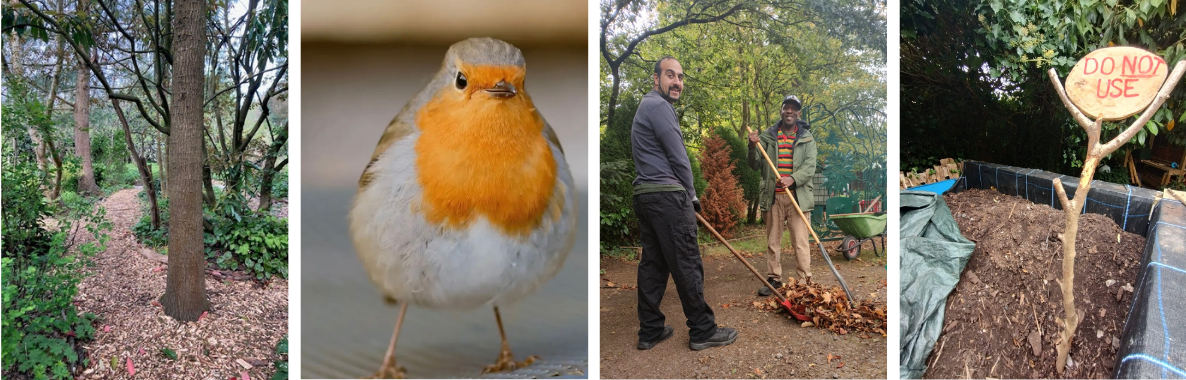
Here are some of the things we’re doing at the moment to give you some inspiration on keeping out and about in your garden for the next month.
Leaves
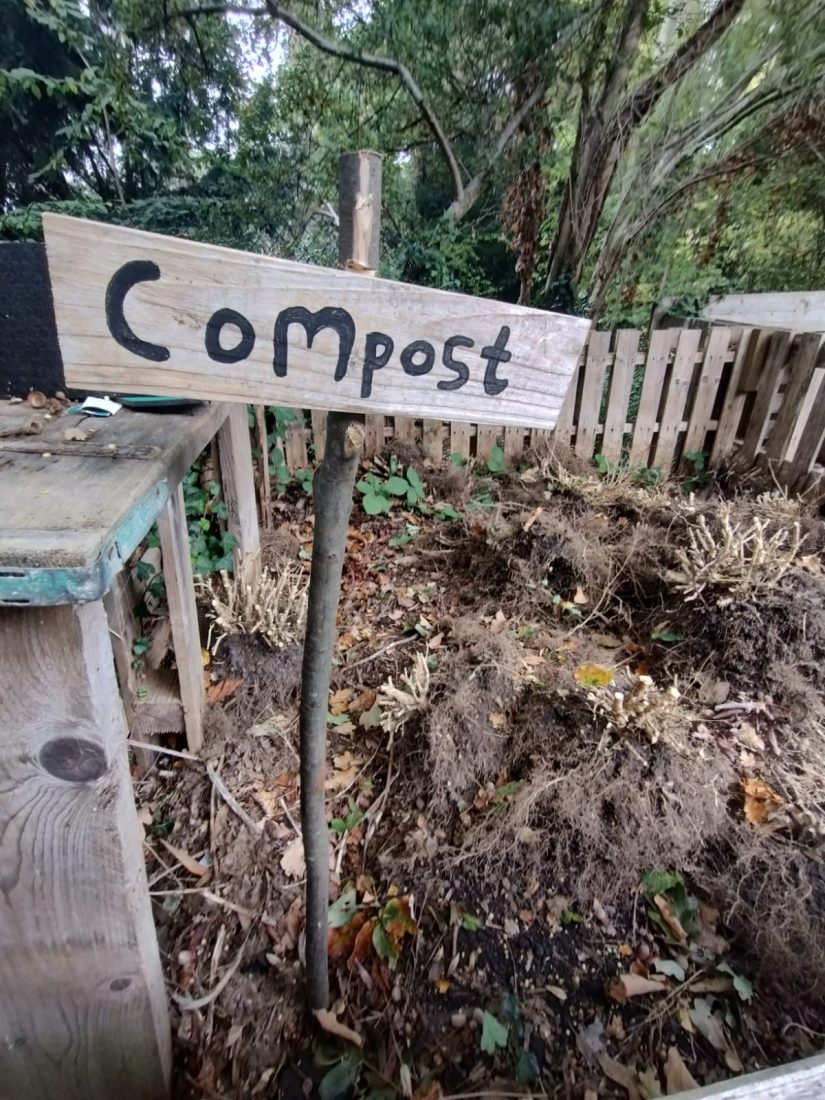
We’ve had so much leaf fall recently that we’ve had to extend our compost bays to help us break the material down into leaf mould for next year.
That said, we’re not lifting all of the leaves. It’s tempting to try to tidy up everywhere and everything, but it’s good for your garden – and the creatures that live in it – to leave some in place. We’re only clearing our paths and lawns, to keep visitors safe and the lawns alive. As long as the plants in your borders aren’t being buried, a mulch of leaves will do them the world of good, and it’s very positive to leave some areas uncleared to provide hibernation and feeding opportunities for insects and smaller creatures. In the woodland, we’re just brushing the leaves to one side of the paths and, that way, all the energy and nutrients that’s been put into their growth can go back into the soil.
Cutting back
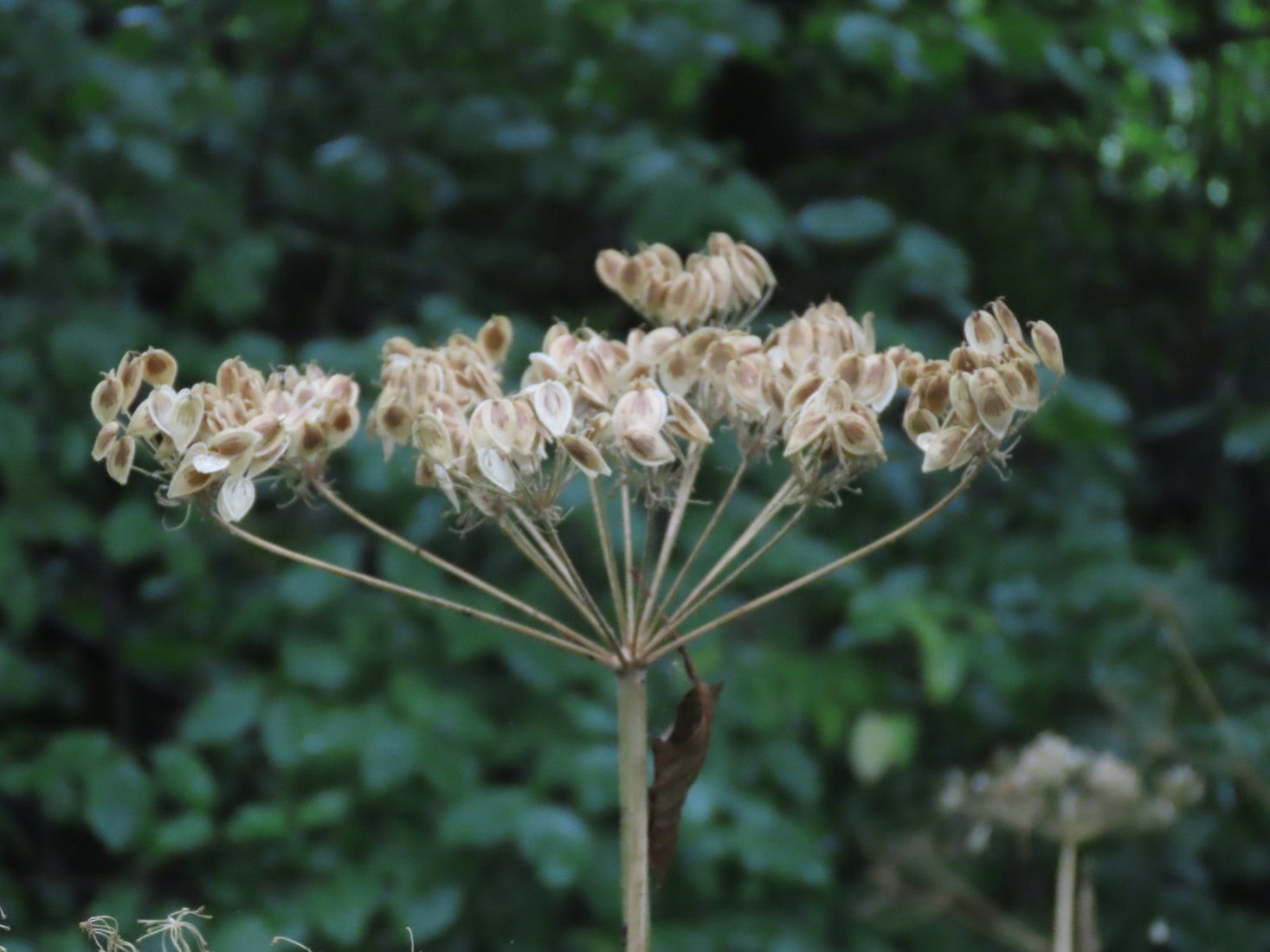
While you’re moving leaves from one place to another, it’s a good time to be cutting back to make your beds and borders look a bit more tidy. Our late show of nasturtiums is just beginning to droop and a hard frost will see them off, so they will need to be chopped out, and you’ll probably see other tall herbaceous plants like asters, verbascum and hollyhocks starting to look a little sorry for themselves. In the veg garden, our asparagus and rhubarb are finally falling over and in all of these cases, it’s important to just cut the stems back. Any pulling – and definitely no digging! – will impair growth next year.
I try to do the cutback in stages, as some of the more architectural plants like teasel, late alliums and cardoons can still give you a bit of height and interest on a frosty morning. Simply cut them down when they fall over or start to look… less attractive.
Pruning
Our volunteers are very keen on pruning and now that most of the leaves have dropped, it’s a good time to have a go at some of the trees and shrubs in your garden, as you can really see what you’re doing. We’ll soon be decongesting and cutting back fruit trees, keeping flowering shrubs like buddleia in check and we’re already bringing down the height of our roses to prevent winter wind damage.
Pruning can be a bit of tricky job for some people, as they’re often worried about harming their plants. If you’re not certain what you should do, the first thing is to identify it. Once you know what the plant is, you can easily find information on how it should be treated. I’d always recommend the RHS pruning guides as they are pretty easy to follow [although finding out which pruning group your clematis is in is always tricky!].
Pruning – tips and techniques / RHS Gardening / RHS
If you’re uncertain, a good place to start is to deal with the 3Ds. Dead, diseased and damaged material should always be taken off your trees and shrubs, so you can’t possibly do much harm in removing it.
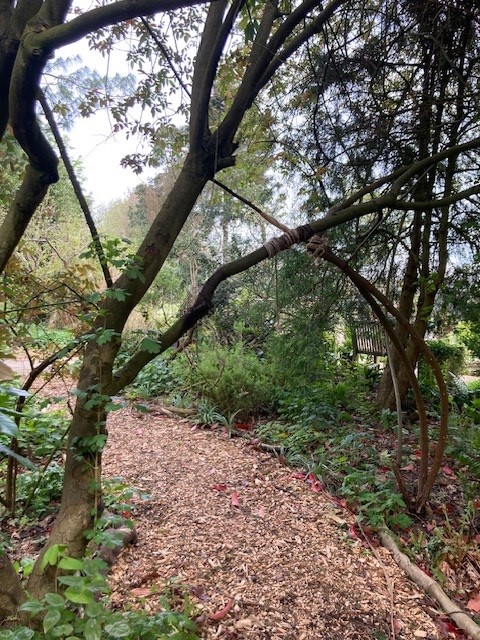
If you’re wondering what to do with the pruned material, you don’t really want to have a fire and you have the space, one thing we have done recently is to make the simplest form of dead hedge. It looks good and will slowly break down, again releasing organic material into the soil. It’s also a great habitat, protective cover and food source for fungi, small creatures and insects.
Spring bulbs
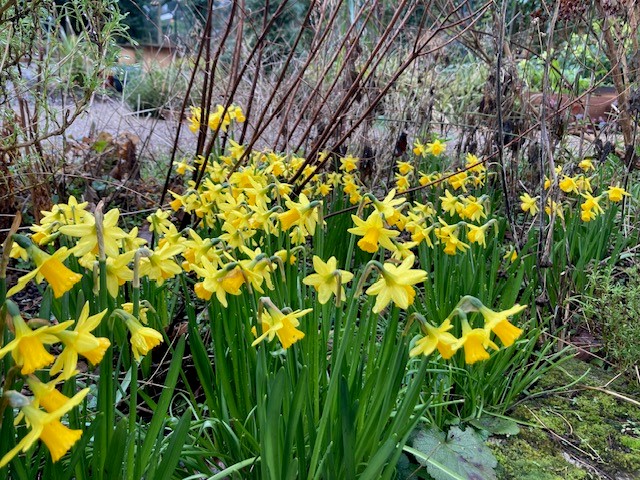
There’s still time to get some types of bulbs into your garden to give you a colourful display in Spring. It’s the perfect time to put in tulips and hyacinths, and you can still get away with putting in daffodils and alliums – the only thing to watch out for at this time of year is to ensure that the ground is neither frozen nor waterlogged. If the area that you want to plant bulbs in is frequently soggy, it’s a good idea to work on the drainage before planting, as otherwise your bulbs will simply rot off. Give the soil a good fork over and mix in grit or horticultural sand to encourage the water to drain away.
Protection
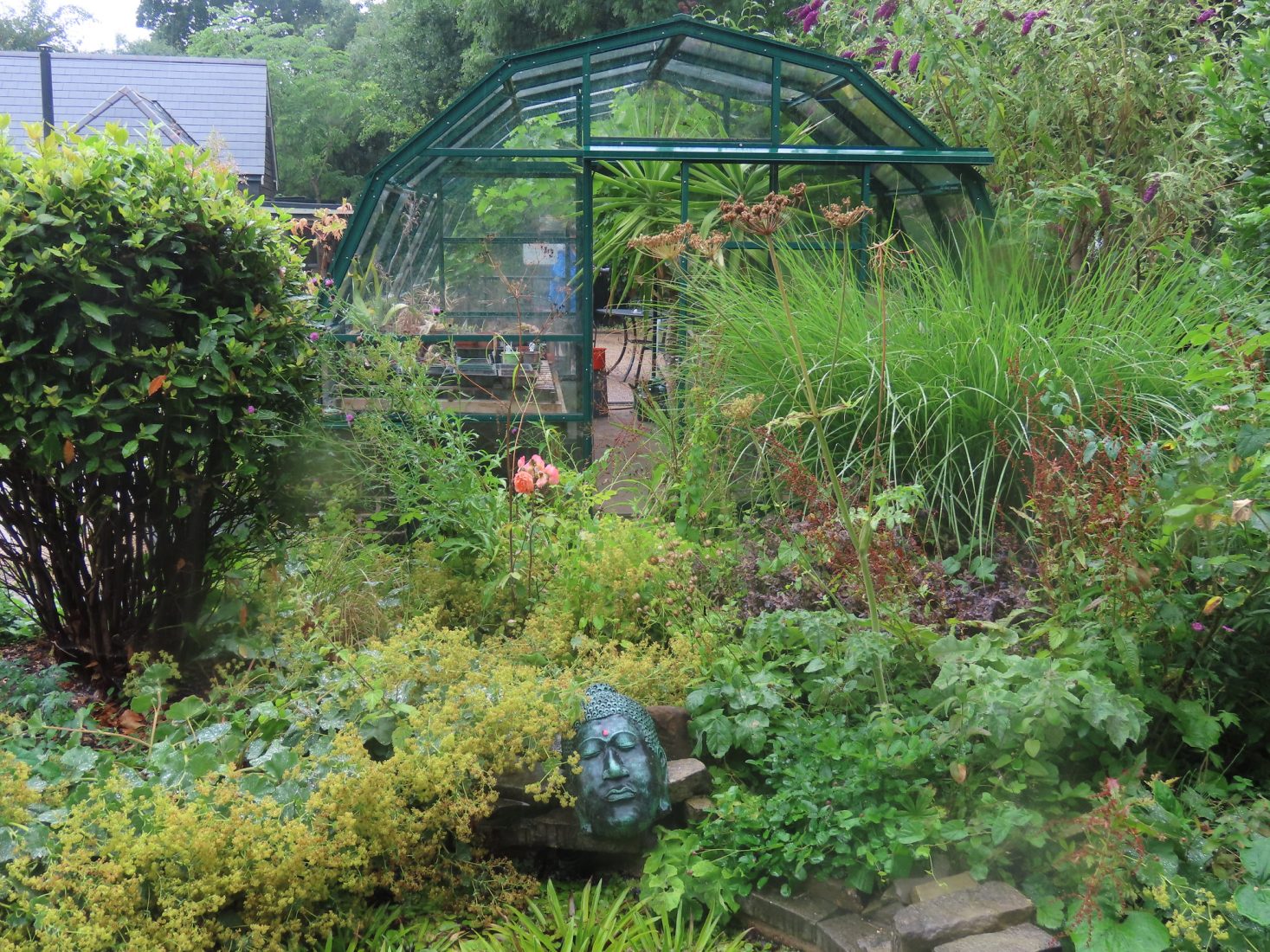
As a heated greenhouse isn’t cost effective for us at Martineau Gardens at the moment [please see our fundraiser for our planned new building!], we do have to protect out more tender plants from the cold weather that’s sure to be just around the corner. We don’t have much outside that would need covering but we’ll be insulating our greenhouse soon, reusing old bubble wrap to give us a bit more protection.
As you can see, there’s always something that can be done in the garden and we’ll be out working to ensure the gardens remain attractive for visitors over the winter months. We’ll hope to see you there soon! Wrap up warm!